
ontainer accommodation
As urbanization continues to rise and alternative housing solutions gain popularity, one question often comes up: “Is container accommodation comfortable for long-term stays?” Container accommodation, originally designed for shipping and transport, has evolved into a versatile housing option. Modern designs focus on comfort, functionality, and sustainability, making them an intriguing choice for long-term living. However, comfort largely depends on design quality, insulation, amenities, and individual preferences.
One of the primary advantages of Container Accommodation is its adaptability. Containers can be modified to suit a wide range of living needs, from single-person studios to multi-room homes. Designers often incorporate essential features like bathrooms, kitchens, and storage space within the compact footprint of a container. Clever use of space, modular furniture, and creative layouts can make container accommodation surprisingly practical for long-term stays. When designed thoughtfully, these homes maximize efficiency and provide a cozy environment despite the limited square footage.
Insulation and climate control play a significant role in determining whether container accommodation is suitable for long-term living. Raw shipping containers are made of steel, which can quickly become extremely hot or cold depending on the weather. High-quality insulation, double-glazed windows, and proper ventilation are essential to maintaining a comfortable indoor climate. Modern container homes often include HVAC systems or energy-efficient heating and cooling solutions, ensuring that residents can stay comfortable throughout the year. Without these modifications, container accommodation can be challenging for extended periods, especially in regions with extreme temperatures.
Durability and safety are additional factors that contribute to the comfort of container accommodation. Steel structures are inherently strong and resistant to harsh weather conditions, pests, and fire. This makes them reliable for long-term habitation, providing residents with peace of mind. Reinforced flooring, secure doors, and properly treated interiors ensure that container homes meet safety standards comparable to traditional housing. This combination of resilience and modern amenities can make container accommodation both safe and comfortable for extended use.
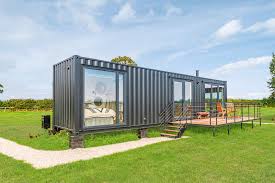
Is container accommodation comfortable for long-term stays?
A well-designed container accommodation also prioritizes aesthetics and natural light. Large windows, skylights, and open-plan interiors can make the compact space feel more spacious and inviting. Interior finishes such as wooden panels, modern flooring, and quality paint contribute to a homely atmosphere. Thoughtful design can transform a metal box into a warm, stylish living space suitable for long-term occupancy. For many residents, the appeal of container accommodation lies in its ability to combine contemporary design with a minimalistic lifestyle.
Storage and organization are key concerns when assessing container accommodation for long-term stays. Space is limited, so careful planning is required to ensure functionality without overcrowding. Modular storage solutions, loft beds, and multifunctional furniture can help residents optimize the available space. Despite the smaller footprint, well-planned container homes can provide sufficient storage for personal belongings, making long-term living more practical. The compact nature of container accommodation also encourages a clutter-free lifestyle, which some people find liberating and comfortable.
Energy efficiency and sustainability are increasingly important aspects of container accommodation. Many container homes are designed with eco-friendly materials and energy-saving systems, such as solar panels, rainwater harvesting, and efficient insulation. Sustainable features not only reduce living costs but also enhance the overall comfort of the home by maintaining stable temperatures and providing a cleaner, healthier environment. For environmentally conscious individuals, container accommodation offers an appealing long-term living solution that aligns with their values while still delivering comfort.
Community and location are factors that affect the livability of container accommodation. When placed in thoughtfully planned communities or near urban centers, container homes can provide easy access to essential services, work, and social opportunities. Integration with other housing types and public amenities can make long-term stays more enjoyable, ensuring that residents do not feel isolated or constrained. Conversely, placing container accommodation in remote or poorly planned areas may impact comfort and convenience, regardless of the quality of the container itself.
Affordability is another advantage of container accommodation that contributes to its long-term appeal. Container homes are often more cost-effective to build and maintain than traditional houses, making them accessible for individuals and families who need long-term housing solutions. Lower construction and utility costs can relieve financial stress, indirectly enhancing the comfort and quality of life for residents. For many, the combination of affordability and adaptability makes container accommodation a practical choice for extended stays.
In conclusion, whether container accommodation is comfortable for long-term stays depends on multiple factors, including design quality, insulation, climate control, storage solutions, and location. With proper planning and modern modifications, container homes can offer a safe, stylish, and functional living environment that is suitable for extended occupancy. While challenges such as limited space and climate sensitivity exist, innovative design solutions and sustainable features can make container accommodation a viable and comfortable option for long-term living. As urban populations grow and alternative housing becomes more popular, container accommodation continues to emerge as a practical and adaptable choice for individuals seeking efficient, durable, and cost-effective long-term housing solutions.
