
B2B definition relevant in the gig economy
The question of whether the B2B definition is relevant in the gig economy is an intriguing one, given the evolving nature of work and business relationships today. Traditionally, the B2B definition refers to commercial transactions between two businesses, usually involving goods, services, or contracts exchanged between established companies. However, with the rise of the gig economy—a marketplace where freelancers, independent contractors, and short-term workers connect with clients—the boundaries of what constitutes a “business” and how business transactions occur are shifting. This raises important considerations about the applicability of the traditional B2B definition in this new economic landscape.
The gig economy is characterized by flexible, on-demand labor, where individuals often work independently rather than as employees of a company. Many gig workers operate as sole proprietors or small business entities, offering specialized services such as graphic design, programming, consulting, or delivery. In this context, the B2B definition can still be relevant because many gig workers provide their services directly to other businesses rather than individual consumers. For example, a freelance marketing consultant contracted by a corporation, or a software developer hired by a startup, fits within the B2B framework, even if the engagement is temporary or project-based.
Moreover, the B2B definition gains new dimensions in the gig economy as the distinction between individual contractors and business entities blurs. Gig workers often need to present themselves as small businesses, complete with tax identification, contracts, and professional branding, to attract corporate clients. This transformation enables them to engage in B2B relationships, albeit on a smaller or more flexible scale than traditional corporations. Therefore, the gig economy challenges the conventional perception that B2B transactions only occur between large or formally structured companies. Instead, it broadens the definition to include a wider variety of business-to-business interactions that are more agile and dynamic.
However, the gig economy also presents some challenges to the traditional B2B definition. Many gig engagements are short-term and transactional, lacking the long-term contracts and strategic partnerships that are often associated with B2B relationships. While a typical B2B agreement might involve multi-year contracts and ongoing collaboration, gig work tends to focus on individual projects or tasks with defined deliverables and timelines. This transactional nature may seem more similar to business-to-consumer (B2C) relationships, where service providers respond to immediate customer needs rather than cultivating long-term business partnerships. Despite this, because the end clients in many gig scenarios are businesses, the fundamental B2B element remains intact.
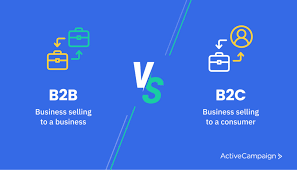
Is the B2B definition relevant in the gig economy?
The technology platforms that support the gig economy also influence how the B2B definition applies. Platforms like Upwork, Fiverr, and TaskRabbit act as intermediaries that facilitate business transactions between gig workers and corporate clients. These platforms themselves function as businesses providing marketplace services to other businesses and individual freelancers. This ecosystem creates a layered B2B environment where multiple business relationships coexist—from the gig worker to the client company, and from the platform to both parties. Understanding this layered complexity highlights the ongoing relevance of the B2B definition even in decentralized and technology-driven economic models.
Legal and regulatory factors also play a role in shaping how the b2b definition fits within the gig economy. Classifying gig workers as independent contractors rather than employees affects contractual terms and business liabilities, influencing how B2B agreements are structured. Companies engaging gig workers must carefully navigate these distinctions to ensure compliance and protect their interests. This further illustrates how the principles embedded in the B2B definition, such as formal agreements and mutual obligations, remain critical even in gig arrangements.
In conclusion, the B2B definition is still highly relevant in the gig economy, though it adapts to new forms of business relationships. While the gig economy introduces more flexible, short-term, and individual-centric transactions, many interactions still qualify as business-to-business because they involve service providers offering professional expertise to corporate clients. The evolving nature of work blurs traditional lines, expanding the scope of the B2B definition to include a broader, more dynamic range of business engagements. As the gig economy continues to grow, businesses and freelancers alike will benefit from understanding how the B2B definition applies in this changing environment to build effective, mutually beneficial partnerships.
